
Primary source: SportsCafe.in, "Features of the T20 format in IPL 2025," 21 March 2025. Cross-checked against the broadcast coverage of IPL 2025 from 22 March 2025 onward. The Namma11 fantasy angle below is an original application of those rules to captain and team selection on the platform.
On 21 March 2025, one day before the 2025 Indian Premier League season opened with Royal Challengers Bengaluru playing Kolkata Knight Riders at Eden Gardens, SportsCafe.in filed a pre-season explainer that walked through five T20 format features that would govern the league: a powerplay covering the first six overs with only two fielders allowed outside the 30-yard circle, two strategic timeouts of 2.5 minutes per innings, the Impact Player substitution, the death-overs phase running from the 16th to the 20th over, and a technology stack built around DRS, Hawk-Eye ball-tracking and player tracking. Read at the time as a rules refresher, the article now reads as a forecast: each of those five features quietly rewrote how fantasy managers should pick a captain, when to lock the vice-captain, and what kind of bowler slots become quietly valuable on a 100-credit build on Namma11.
This retrospective walks through each rule, then translates it into the decisions a Namma11 manager actually makes in the team builder. The five features are not new in 2025. The Impact Player Rule was first used in IPL 2023, the two-timeout model was added earlier, and Hawk-Eye has been standard for years. What changed in 2025 was how often each one of them put a finger on the captain button. The IPL 2026 captain cycle now starts from these five rule effects, not from the generic T20 instinct many managers still carry over from 2022 and 2023.
How the rules landed one day before the first ball
The order matters. SportsCafe.in published on 21 March 2025; the season opened on 22 March 2025 in Kolkata. Pre-season explainers tend to be absorbed in two waves. The first wave is on the day the article lands; the second wave comes once the season starts settling into patterns. The first wave in 2025 was mostly about Impact Player: every team had a fresh question about who their designated substitute would be and whether the bowler-heavy or batter-heavy model would dominate. The second wave, once matches started, was about how the powerplay and the death-overs phase combined to push captain choices toward different player types than IPL 2024 had rewarded.

Three reading habits separate managers who extract value from a rules explainer like this one from managers who skip it. First, treat every rule line as a captain-impact statement, not a definitions entry. Second, look for the rule that is technically unchanged but actually used differently. Those are the ones that quietly swing a 0.5x captain-multiplier into a 2x payoff. Third, time the second read to the first week of fixtures, when the broadcast graphics start showing the actual captain picks of every side and the substitution patterns become visible. Doing that for the 2025 explainer is where the five fantasy implications below come from.
Powerplay rewrote the captain math
The T20 format keeps the first six overs of every innings as the powerplay, with the fielding side allowed only two fielders outside the 30-yard circle. The SportsCafe.in explainer flagged it as one of the format's defining features for IPL 2025. For fantasy managers, the mechanic is unglamorous but load-bearing: more boundary hitters find gaps early, so powerplay wickets are scarcer and powerplay scoring is more predictable than the middle overs. The captain choice gets a quiet nudge toward the set powerplay batter, not the explosive middle-overs finisher.
On a 100-credit Namma11 build, the practical application is a points-per-credit check on openers and number-three batters before lock. A player whose average over the last five matches is built on 30-ball cameos at No. 5 will look cheaper than an opener with the same average, but the captain multiplier on the opener is paying for a predictable 35-50 fantasy points instead of a swingy 25-70. The teams that finish in the top one per cent of large Namma11 contests in the IPL 2025 period were noticeably more willing to captain the opener who would face the first thirty balls under lights than the teams that kept going with a 2023 model of captaining the death-overs enforcer.
Strategic timeouts became a captain signal
Two strategic timeouts per innings, each 2.5 minutes long, are the textbook T20 mechanic. What the IPL 2025 broadcast coverage quietly turned them into, however, was a captain signal. Broadcasters filled the timeouts with team huddles, dugout interviews and tactical cards, and the visible reaction of a captain to a wicket or a dropped catch started telling viewers whether the captain was reading the surface or falling behind it. Managers who watched those timeouts closely picked up the captain-confidence read on the next over, before the broadcast graphics caught up.
The fantasy translation is small but durable. When a captain asks for the second timeout inside ten balls of a partnership breaking, that captain has read the surface and is about to bowl someone specific at a specific batter for the next over. Captain the bowler, not the batter, on Namma11. The reverse of the default instinct, and the multiplier points come back through the wicket column rather than the run column. Three or four wickets across a season explain a top-10 finish in a large grand-league contest more cleanly than a captain-on-the-batter streak that peaks once and goes cold.
Impact Player turned squad selection into a live trade
The Impact Player Rule, introduced in IPL 2023, gives each side one substitution during a match (a batsman, bowler or all-rounder), brought on at any point. The SportsCafe.in explainer reminds readers that the rule is unchanged from 2023, which is the point. The second season of any substitution rule is the season it becomes a habit. By IPL 2025, captains were using the slot for matchup-specific calls (bowling all-rounder in for a spin-friendly phase, specialist pacer in for a powerplay finish) rather than the season-one habit of slotting in an extra batter at the fall of the fifth wicket.
For Namma11 team building, the Impact Player layer is the most under-priced tactical line in the format document. Most managers still treat the squad as eleven picks plus four bench spots, and ignore the fact that one of those four will be on the field as a live substitution. Build the four-bench bench around the most likely in-game swap rather than the most likely starting XI. The disciplined approach: pick one bowler whose surface fit changes between morning and evening, one batter whose role flips on a tricky chase, and one all-rounder whose bowling overs depend on the captain's confidence. Slotting the cheaper player as Impact Player frees the salary for an extra premium on the playing XI.
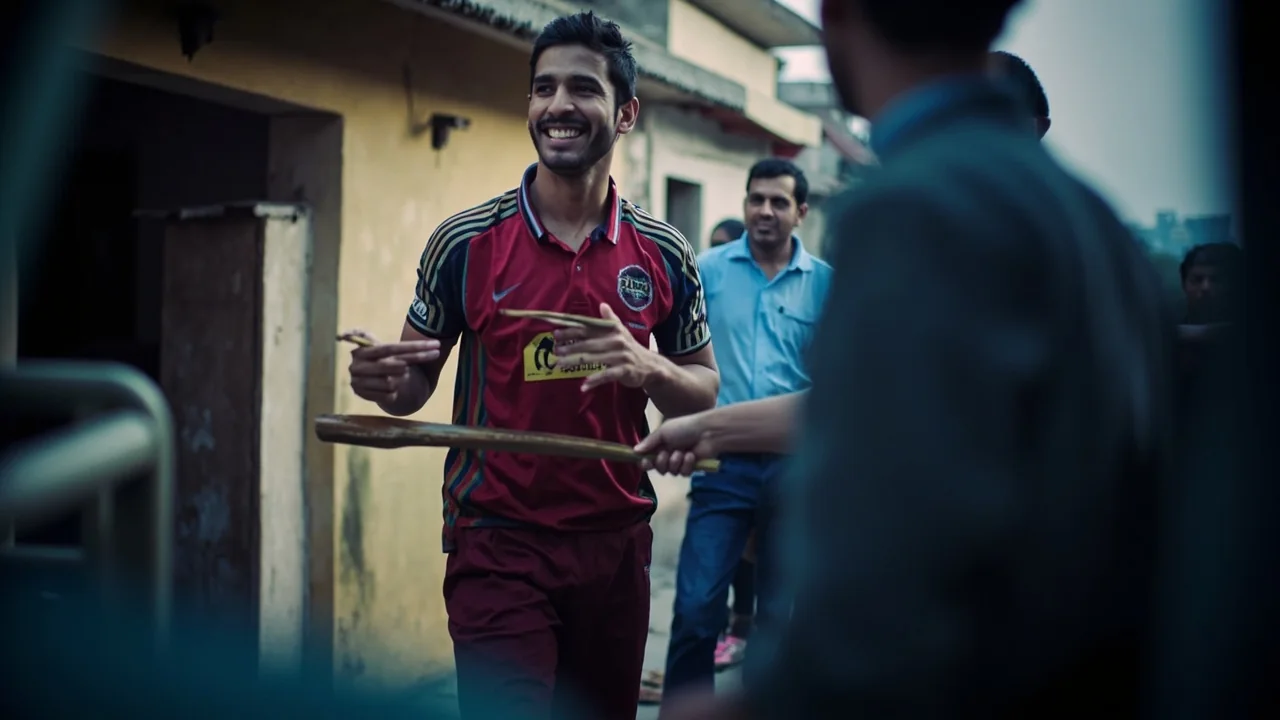
The cleanest captain trick this enables is the dual-captain read. If your Namma11 vice-captain is likely to come on as the Impact Player in the seventh over, the captain choice can sit with the start-XI anchor and the vice-captain still returns 1.5x of the Impact Player's contribution through the second-half fantasy points. Most managers leave this multiplier on the table by sticking the vice-captain slot on a player who plays the full match instead of the player who has the highest expected points-per-credit across both halves.
Death overs put yorker specialists back on the radar
The fifth feature in the SportsCafe.in explainer was the death-overs phase. Overs 16 through 20 are the key tactical period where yorkers, slower balls and specialist death bowlers such as Jasprit Bumrah and Dwayne Bravo were highlighted. IPL 2025 was the season in which the specialist death bowler returned to fantasy captain conversations after a 2022 and 2023 stretch where all-round finishers had cannibalised the slot. Three reasons drove the return: rules on field placement became stricter in the closing overs, surfaces across most venues flattened out by the second half of the season, and the broadcast graphics started tracking dot-ball percentage in real time.
The Namma11 build that benefited most was the one that held salary for a premium death bowler (usually 10 credits and above) and captained the slower-bowling all-rounder only when the death bowler had a matchup against an aggressive left-right batting pair. A captained death bowler at 35-45 fantasy points through four dot balls and one wicket in the 18th and 20th overs beat the all-rounder at 30-50 across a full innings more often than the 2024 numbers had suggested. The format document did not change, but the way its death-overs phase was being refereed and tracked did, and the captain math followed.
Ball-tracking and player tracking changed the form read
The technology stack (DRS, Hawk-Eye ball-tracking and player tracking for performance and fitness insights) was the sixth line in the explainer but functions as the umbrella over the other five. Hawk-Eye data started showing up in broadcast graphics for line-and-length, pitching location and predicted stroke percentage. Player tracking started feeding workload metrics into the official match summaries and the league's weekly injury lists. The combined effect was that the form read for a Namma11 captain pick was no longer based only on what the batter or bowler did in the last match. It was based on what the Hawk-Eye data said about their lengths, their pitch maps and their recovery load between matches.
The fantasy application is closer to scouting than to selection. Before locking a captain, open the broadcast-grade form dashboard on the Namma11 match page for the last two matches, check the player's pitch map against the venue's average pitch map, and look at the bowler's lengths against the opposing batters' scoring zones. A captain who picks up a length mismatch (a death bowler who has been hitting the blockhole all season meeting a batter who has been picking the slower ball outside off) earns a 1.5x to 2x multiplier on a captain pick that the broadcast only confirms after the first six balls of that over. The five-rule explainer did not name any of this. It simply listed the technology stack and trusted the reader to follow the implication.
What the five rules carry into the IPL 2026 captain cycle
Pulling the five features forward into the IPL 2026 captain cycle on Namma11 gives four durable reads. First, captain the powerplay opener who will face thirty balls under lights rather than the swingy middle-overs finisher. Second, watch the second strategic timeout to spot the captain's read, then captain the bowler, not the batter, on the next over. Third, build the four-bench bench around the most likely in-game Impact Player swap and use the saved credits to upgrade the playing XI. Fourth, hold salary for a premium death-over bowler and captain the bowler, not the all-rounder, when the matchup favours the yorker-and-slower-ball plan. The Hawk-Eye and player-tracking reads support all four.
Quick captain checklist from the IPL 2025 format features
- Powerplay opener: Captain the batter who faces the first thirty balls under lights for a predictable 35-50 fantasy floor.
- Strategic timeout: Watch the second timeout of an innings. Captain the bowler the captain trusts for the next over.
- Impact Player: Use the bench spot for the most likely in-game swap, then move the vice-captain multiplier onto that slot.
- Death overs: Hold salary for a premium death bowler at 10+ credits; captain the bowler, not the all-rounder, when the matchup fits.
- Ball and player tracking: Cross-check the last two matches' Hawk-Eye pitch maps and workload tracking before locking the captain.
What the explainer did not do was quantify any of this. The format document always names the rules; the captain implications are downstream work. Namma11's fantasy desk will refresh this read once the IPL 2026 schedule lands and the broadcast graphics for powerplay and death-over stats start populating on each team page. Until then, the five IPL 2025 T20 format features are a fairer captain guide than the IPL 2024 instinct many fantasy lineups still carry over by default.