
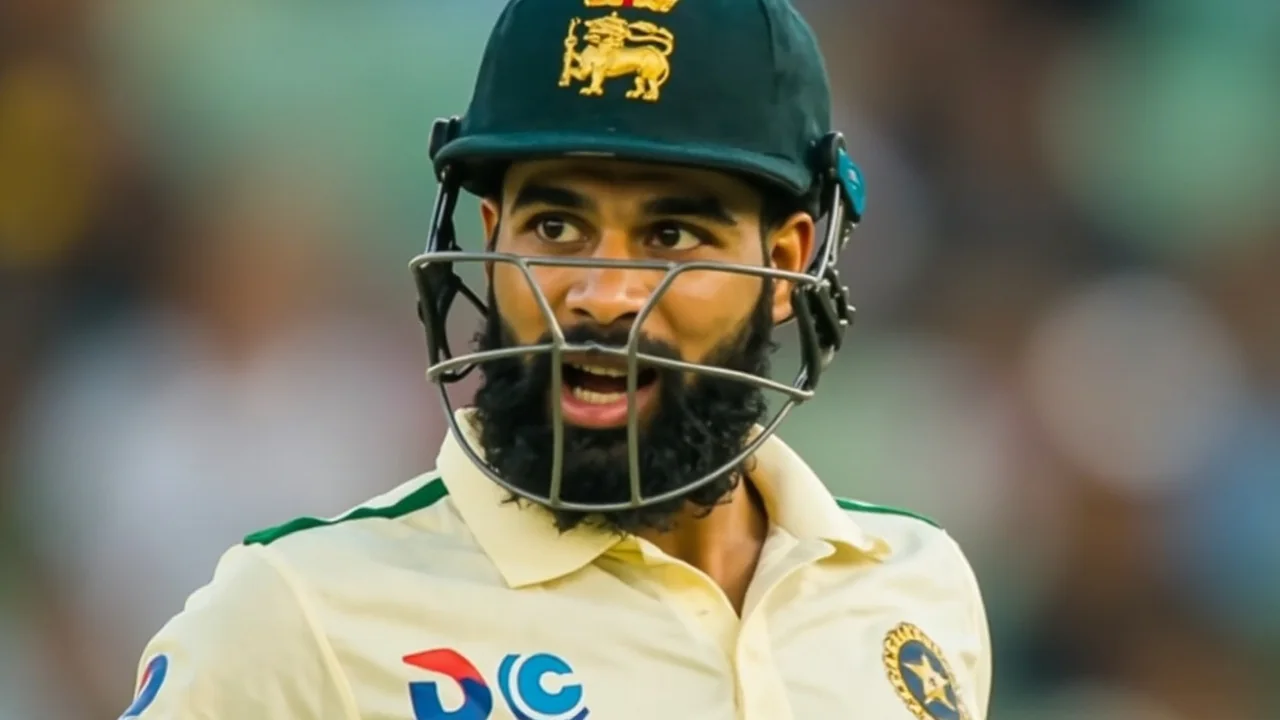
Primary source: Cricketnmore, "1st Test: Jadeja, Prasidh Strike As Reduce Sri Lanka To 175/6 At Lunch, India Inch Closer To Win," 19 August 2026 (IANS wire). Bowling analysis and morning-session read from the Namma11 news desk.
Sri Lanka went to lunch on 175/6 in 67 overs on the fifth morning at Galle International Stadium. India lead by 197 with four second-innings wickets still in hand, and the morning produced exactly the kind of session India needed: two wickets, a session scoring rate that favoured the bowlers, and a chase equation that has begun to feel like a containment problem for Sri Lanka rather than a chase for them. Ravindra Jadeja and Prasidh Krishna took one wicket each in the session, and the methods behind those two dismissals are the clearest read of where the rest of the day is heading.
The morning's first wicket came from the slowest bowler in the Indian line-up, and the second came from the fastest. Together they tell the story of a Galle surface that is still offering enough for both kinds of bowling, and of an Indian attack that has chosen its lengths well across the session. Sri Lanka's resistance at the top of the order has already been broken; what remains is the lower order and Sonal Dinusha, who finished the session on 65 not out, his second significant innings of the match.
Jadeja's trap at short fine leg
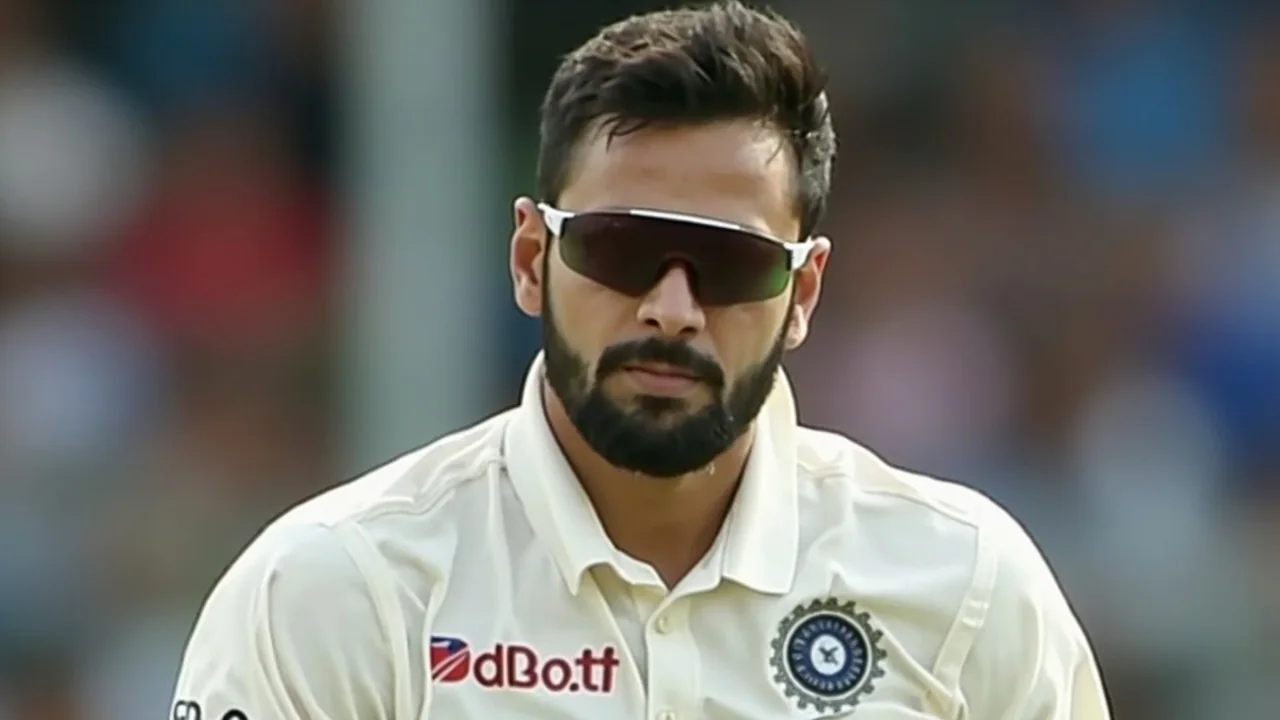
Jadeja's wicket came at a pace and to a length that the scorecard alone does not fully capture. Dhananjaya de Silva had been batting for long enough to reach 59, and the stand between him and Sonal Dinusha had carried Sri Lanka past the lunch lead figure and into a phase where the chase arithmetic at least looked possible. Jadeja bowled into a rough that had opened up at one end of the pitch through the first four days, the kind of footmarks that reward left-arm spin on the fifth day when the ball is gripping and turning enough to ask the batter to make a decision on every delivery.
De Silva made the decision Jadeja was hoping for. He went for the sweep, a shot he has played well in this innings, but the length that had been working for him earlier in the morning no longer carried the same pace. The ball turned enough to take the top edge, and the Indian captain had set a fielder at short fine leg specifically for that shot. The catch was taken cleanly, and Sri Lanka lost their most settled second-innings batter at the moment the partnership had begun to threaten.
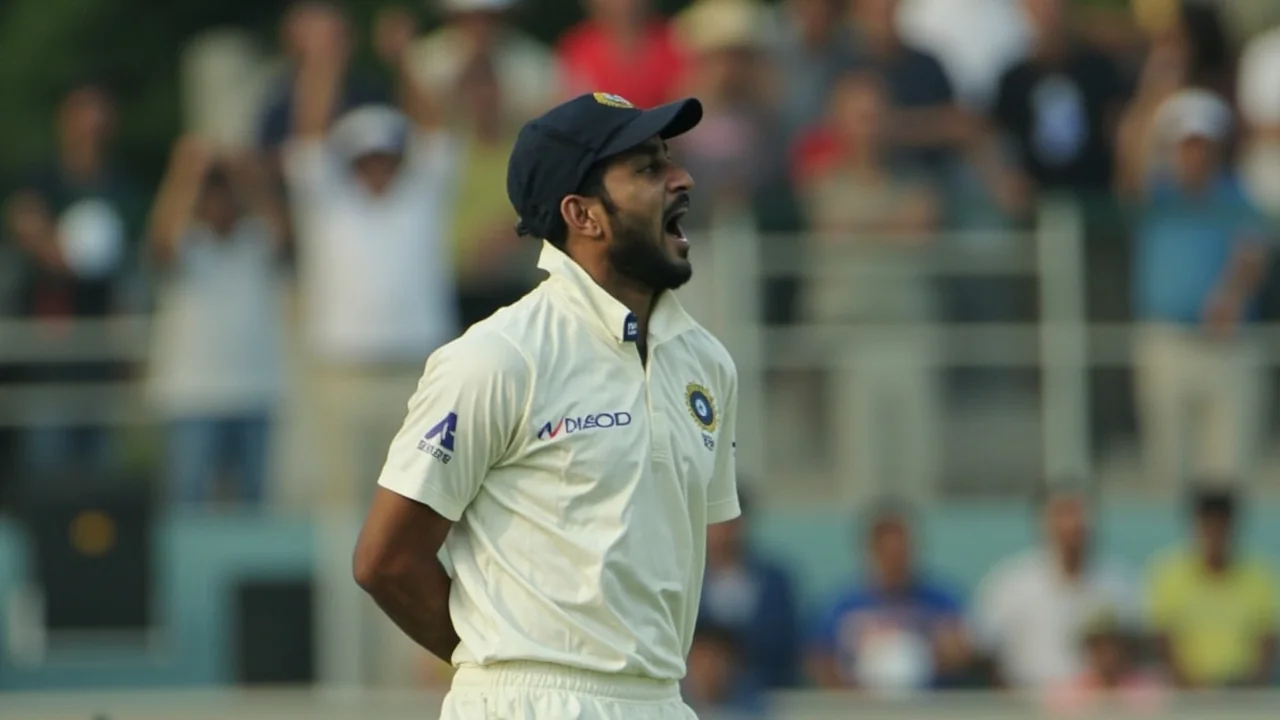
What Jadeja's wicket tells you about the rest of the match is the most useful part of the read. The rough is going to keep developing through the afternoon. The footmarks will get deeper, the ball will turn a little more on each pass, and the short fine leg fielder will keep his position because the shot that just worked for de Silva is the same shot every left-handed batter in the Sri Lankan lower order is most likely to attempt. Jadeja has bowled less than 20 overs in this innings and has already had the ball turning enough to take a wicket; the workload is being shared with Manav Suthar from the other end, and the Indian captain has no reason to over-bowl either spinner before tea.
Prasidh Krishna's back-of-a-length strike
Prasidh Krishna's wicket was the other side of the morning and the other pace of the Indian attack. Niroshan Dickwella was the batter; the length was back-of-a-length angling outside leg; the catch was taken by Rishabh Pant behind the stumps. The dismissal was the kind that does not get a highlight reel in the way a swinging delivery does, but it came from a length the Indian seamers had been hitting across the entire morning, and the Sri Lankan batter had no shot to play that did not risk an edge.
The pattern was set up before Prasidh Krishna took the wicket. The morning's first hour had seen the Indian seamers hit a hard length outside off to the right-handers and outside leg to the left-handers, asking the batters to either play or leave and removing the option of a comfortable drive. Dickwella was the kind of batter most likely to try the drive when the ball angled into his body, and the edge that followed was the predictable result of bowling to that length on that pitch with that field.
Prasidh Krishna finished the session with figures of two for 16, the most economical of the Indian bowlers in the morning. That economy is the second useful read from the dismissal. It tells you India do not need to take risks in the afternoon to find wickets; the length that produced Dickwella's wicket will produce others if it is bowled consistently, and the seamers can rotate with the spinners without over-bowling any one of them. The match has reached the phase where India's biggest risk is over-experimenting rather than under-bowling, and Prasidh Krishna's figures suggest they have not yet fallen into that trap.
What the Galle pitch was doing through the morning
The morning session at Galle is the kind of session that turns a Test match when the pitch has been wearing for four days. The surface was dry and starting to show footmarks at both ends, with one rough patch especially pronounced at the end where Jadeja took his wicket. The ball was gripping for the spinners from that rough, turning enough to ask the batters to commit to a shot on every delivery, and carrying straight enough for the seamers to hit the hard length without the ball sliding on.
The outfield, which has been quick all match, was a constraint on the batters as much as a help. The ball travelled when the batters middled it, which made any false shot a boundary risk rather than a single, and the Sri Lankan batters could not afford to defend loosely for long. The morning's scoring rate reflected that tension. Sri Lanka scored at barely three an over across the session, a rate that kept India's lead growing rather than shrinking and that put the chase arithmetic further out of reach with every over that passed without a wicket.
There was no major deterioration in the surface during the morning, and there does not need to be. The Galle pitch at lunch on day five is exactly the kind of pitch that produces results when both sides have bowled well, and India have bowled well enough that the result is now a probability question rather than a possibility question. The afternoon session does not need a miracle from the surface; it needs India to bowl the same lengths they bowled in the morning, and the lower order to do what the top six could not.
The chase arithmetic at lunch
Brief scores at lunch, day five
- Sri Lanka (2nd innings): 175/6 in 67 overs (Dinusha 65 not out, de Silva 59; Krishna 2/16, Suthar 2/46)
- India (1st innings): 462 all out, lead by 193
- India lead by: 197 runs with four second-innings wickets in hand
- Morning session: Jadeja 1, Prasidh Krishna 1; Suthar kept his two from earlier in the innings
- Tea target for India: four wickets from a series-opening win; one wicket from a probable draw
Two numbers do most of the afternoon's work. India need four more wickets. Sri Lanka need 197 more runs. The required rate at the start of the afternoon is just under six an over if Sri Lanka are to make India bat again, and that rate climbs every over the batters spend batting for time rather than runs. The combination of those two forces is what the rest of the day turns on.
Dinusha's 65 not out is the anchor of the Sri Lankan resistance. He is the only batter in the middle who has spent any meaningful time at the crease in this innings, and he batted through the entire de Silva stand without losing his wicket. The chase equation does not need him to score quickly; it needs him to bat through the afternoon and into the evening, and to take at least one of the lower-order batters with him past the tea interval. The lower-order batters have not been asked to do that yet in this match.
India's bowling plan through the afternoon is the one the morning suggested. Jadeja and Suthar will share spin from both ends, with the rough at one end giving Jadeja the same purchase it gave him in the morning. Prasidh Krishna will rotate in with the new ball's hardness still on his side, and the other seamers will hold their lengths without over-pitching. The workload distribution matters on day five because the bowlers who win sessions on the final day are usually the ones who bowl fewer than 20 overs in any single burst, and India have that depth.
The Sri Lankan lower order at the crease
Sri Lanka's lower order has not yet had a meaningful innings in this Test. The top six carried the first-innings fight; the bowlers contributed little with the bat in either innings; and what remains at lunch is Dinusha plus four batters who have not been asked to bat for any extended period on a wearing Galle surface. That is the part of the match the afternoon session will decide, and it is the part neither side can predict from the morning's evidence.
The Sri Lankan bowlers contributed 31 runs in the first innings. If they are asked to contribute 60 or 70 more in the second innings, they will be doing more with the bat than they did in the first, and the match will tilt further towards a draw. If they are dismissed cheaply, India will be batting again inside 35 overs and the series opener will be decided before the close. The first hour after lunch is the period most likely to produce the answer, because the new ball's hardness will still be on Prasidh Krishna's side and the rough at Jadeja's end will be deeper than it was at the start of the morning.
Dinusha's position in this is unusual. He is a top-six batter by trade, not a lower-order survivor, and the morning's pattern of bowlers asking questions of every delivery means the second hundred of the match for him would require a level of concentration that has not been visible from the rest of the Sri Lankan line-up. If he reaches three figures for the second time in this Test, the chase equation will at least be live for Sri Lanka. If he does not, the lower-order resistance becomes the only barrier between India and a win before tea on day five.
What the afternoon session will settle
The afternoon session at Galle begins with Sri Lanka 175/6 and Dinusha on 65 not out. The first half-hour will be the most important of the match, because it is the period when the new ball is at its hardest, when the rough is at its sharpest, and when the lower order is most likely to make a mistake against a length they have not faced in this match. If Sri Lanka lose a seventh wicket in the first ten overs after lunch, India will be favourites to wrap the innings inside two more sessions. If Dinusha and the lower order survive that opening burst, the match moves closer to a draw and the series opener will carry into the second Test in Colombo on 23 August.
The Namma11 news desk treats this as a live, mid-session report rather than a verdict. The verified morning numbers, the two confirmed wicket methods and the chase arithmetic are the facts the rest of the day turns on. The next update from the live match centre will tell you which way the afternoon tilted, and whether India's bowlers produced the seventh wicket in time to keep the chase equation alive for one more session.