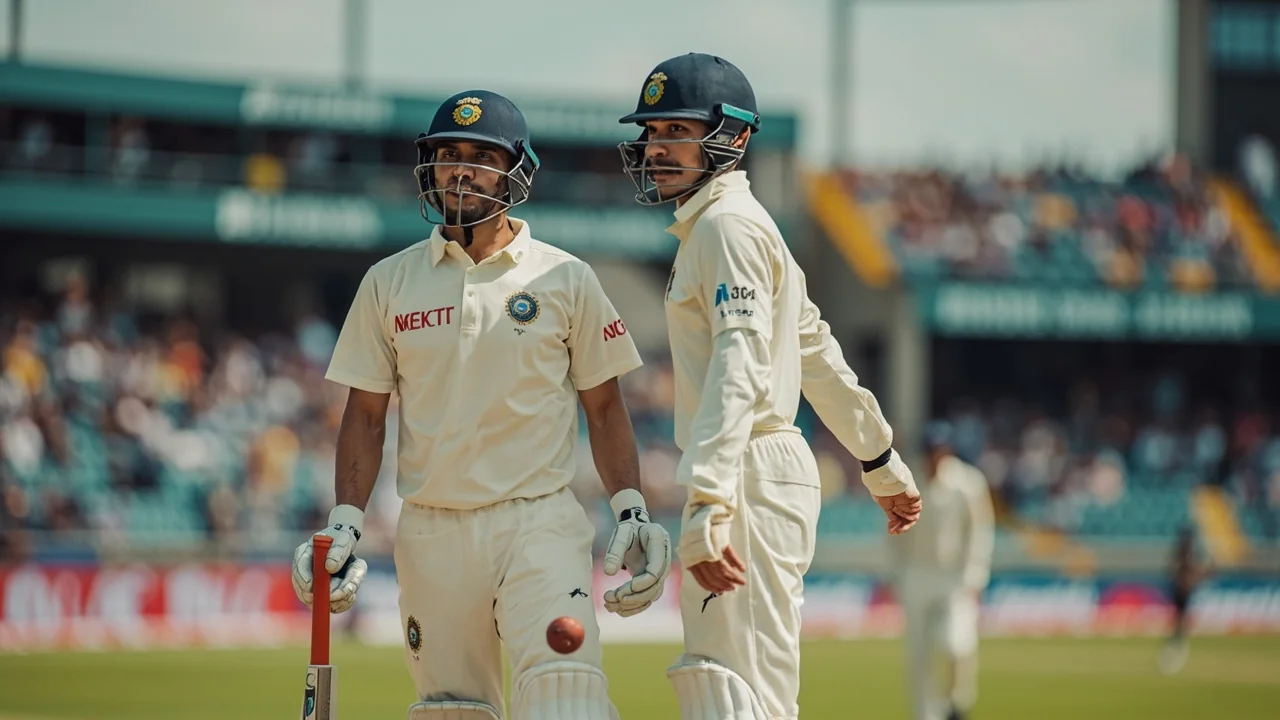
Primary source: Shayan Acharya, Sportstar (The Hindu Group), “India Test squad announcement for Sri Lanka series; BCCI review meeting to shape white-ball roadmap,” 25 July 2026. Reporting on BCCI decisions and selector conversations sits with Namma11 cricket news.
India’s Test squad for the two-match tour of Sri Lanka will be announced by Tuesday after a virtual selectors’ meeting held inside the next couple of days, BCCI secretary Devajit Saikia has confirmed. The choice of a video call rather than an in-person session in Mumbai reflects a packed late-July calendar: India’s T20I side is still on the ground in Harare, the white-ball staff are spread across tours, and the Test squad announcement needs to clear before the squad flies out in early August.
Saikia’s timeline matters because it locks the public-facing side of the tour before selectors sit down with the board’s white-ball agenda. Once the T20I party returns from Zimbabwe, the BCCI will host a wider review meeting at its Mumbai headquarters to assess India’s recent white-ball form and shape the roadmap towards the 2027 ODI World Cup. The Test squad and the white-ball review are technically two separate processes; running them back-to-back keeps senior decision-makers in one decision cycle.
Sri Lanka itinerary and the WTC stakes
India Test tour of Sri Lanka 2026
- Tour match: Four-day game at NCC Ground, Colombo, played before the Test series
- First Test: Galle, starting 15 August 2026
- Second Test: Colombo, 23 to 27 August 2026
- WTC context: Both India and Sri Lanka are chasing qualification for the WTC Final in the 2025-27 cycle
- Selection window: Virtual selectors’ meeting in the next couple of days; squad announcement expected by Tuesday
Before the red-ball series begins, India are expected to arrive in Sri Lanka and play a four-day tour game at the NCC Ground in Colombo. Galle then opens the series on 15 August, with the second Test running in Colombo from 23 to 27 August. The NCC stop is a familiar India fixture on away Test programmes and is treated as much a workload bank as a selection trial, giving the batting group time on local surfaces before the Tests start.
The two Tests sit inside the ICC World Test Championship 2025-27 cycle. Both India and Sri Lanka are chasing a place in the WTC Final, which makes the result in Sri Lanka more than a one-off prestige series. Percentage points earned here feed directly into a standings table where every away win lifts the leaderboard cut-off and every away loss pulls a side closer to the chasing pack.
The Mumbai white-ball review and who will be in the room
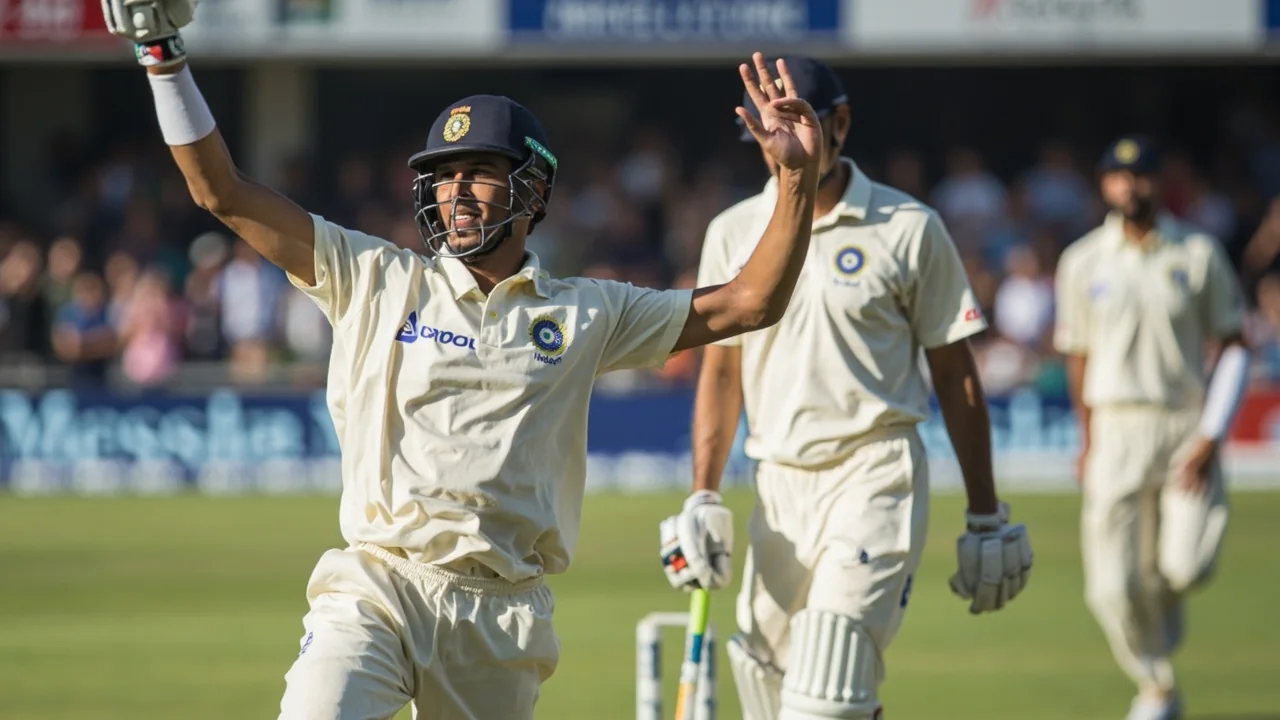
The wider conversation moves to Mumbai once the T20I squad returns from Zimbabwe. Saikia said the board will convene a review meeting at its headquarters involving team management, selectors and other stakeholders to discuss selection, tactical approach, execution in overseas conditions and the white-ball roadmap leading up to the 2027 ODI World Cup. The line “no knee-jerk decisions” sits next to an acknowledgement that inconsistent overseas performances have raised real concerns.
The expected attendees give the meeting its working shape. T20I captain Shreyas Iyer is set to be part of the discussion along with head coach Gautam Gambhir and Centre of Excellence head VVS Laxman, alongside the senior selection committee and BCCI officials. That mix matters because each voice brings a different lens: the captaincy view from inside the dressing room, the head coach’s view on tactical execution and role clarity, and the Centre of Excellence view on India’s domestic and A-tour depth. None of those views is decisive on its own; the meeting is built to combine them.
Senior BCCI officials are also expected to attend, which means resource and scheduling questions sit alongside cricket questions. Who plays how many white-ball games between now and the 2027 World Cup, which bilateral series get treated as priority fixtures, and how the workload of senior players is managed across formats — all of those decisions live in the same room rather than being punted to the next selection cycle.
Recent white-ball results that put the review on the agenda
The reason the review is being held in person is the recent ledger. India’s white-ball sides have lost series in both Ireland and England. The young T20I side led by Shreyas Iyer lost both tours, and the ODI team captained by Shubman Gill also lost in England even with Rohit Sharma and Virat Kohli in the squad. Those results do not by themselves define a trend, but they do explain why the BCCI wants selectors, management and the captaincy in the same room rather than relying on individual post-series statements.
The split between T20I and ODI failure gives the review two separate conversations under one roof. In the T20I format the questions centre on whether the young squad has been over-exposed too early and how the captaincy of Iyer is bedding in against senior opposition. In the ODI format the question is sharper: with Rohit Sharma and Virat Kohli in the squad and India still losing, the issue is less about personnel and more about combinations, batting order, bowling roles in overseas conditions and how the team manages the middle phase of an innings.
None of those questions are new, but their combination is. A short T20I cycle, an ODI loss away from home despite the senior core, and a 2027 ODI World Cup on the horizon create a planning window that the BCCI wants to use deliberately rather than reactively. That is the operational reason a Mumbai review is worth the time of a head coach, a Centre of Excellence head, a captain and senior selectors in the same week.
WTC Final race and what the tour means beyond Sri Lanka
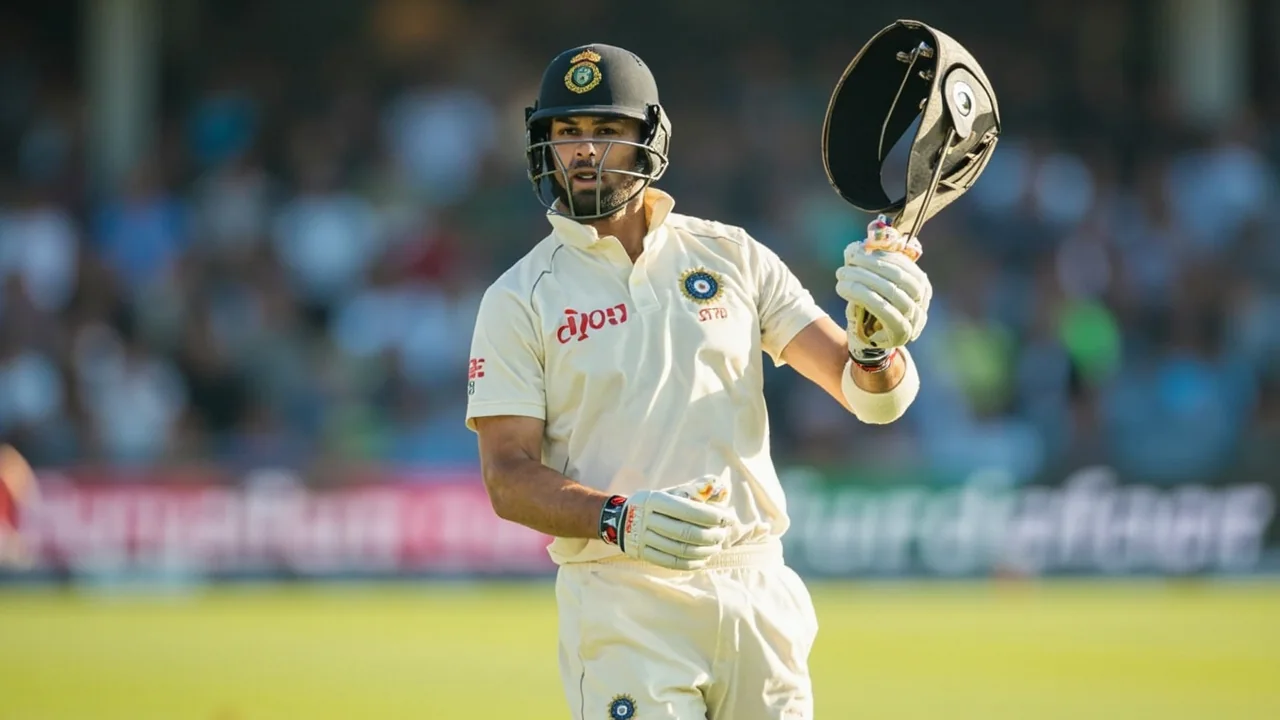
India’s tour of Sri Lanka is not a standalone series. Both teams are in the running for the WTC Final in the 2025-27 cycle, which means every session in Galle and Colombo carries a percentage-point cost or credit that shows up on a multi-year league table. A drawn series in Sri Lanka keeps the maths tight; an away win would lift India’s standing before a winter that includes home Tests and tours of other WTC contenders.
The selection of the Test squad therefore cannot be read as a routine exercise. Rest patterns, workload management for senior fast bowlers, the choice between an extra spinner and an extra seam option on Sri Lankan surfaces, and the batting combination for conditions that historically reward patience over stroke-making all feed into the same outcome. A short, settled window for selection helps the squad arrive in Colombo with a clear batting and bowling shape rather than working it out on tour.
There is also a strategic contrast in the calendar. The Test squad flies out while the white-ball review is still happening in Mumbai. Decisions taken in that review will not change the Test squad, but they may change how selectors treat workload across formats for players who appear in both. A senior all-rounder who is named in the Test squad and who also features in the white-ball plans for late 2026 and early 2027 needs a workload conversation that spans both meetings.
Selection questions the virtual meeting has to settle
Three selection questions sit on top of the formal agenda. First, the seam combination for Sri Lankan conditions. Galle and Colombo traditionally reward spinners, but the BCCI has consistently carried four-seam options into recent away tours; whether the selectors stick to that template or trust the spin depth will shape the squad shape. Second, the batting order after recent form. India’s red-ball batting has been reshuffled more than once in the last twelve months, and a settled top six in Galle would be a quiet but real selection gain.
Third, the captaincy file. Saikia did not confirm or change the captaincy in his update; the announcement he gave is a squad timeline rather than a leadership decision. That leaves the Test captaincy in its current shape going into the tour, with the practical captaincy work — who fields where, who bats where, who takes the new ball on which surface — settled closer to each Test.
These three questions sit alongside the smaller selection calls the selectors handle routinely: wicketkeeping depth, the third seamer, the reserve batter, and the role of all-rounders who bowl seam-up rather than spin. None of those calls make headlines, but together they shape whether India arrives in Galle with a squad that can absorb one bad session without the series drifting.
What to watch between now and Galle
The next hard checkpoint is Tuesday. Until the squad list is public, the only confirmed items are the dates in Galle and Colombo, the four-day tour game at NCC, the white-ball review in Mumbai and the calendar around them. A squad named by Tuesday gives India roughly two and a half weeks before the Galle Test, which is enough time for a focused preparation block, a travel window and an acclimatisation day or two on Sri Lankan soil before the first ball is bowled.
Read alongside each other, the Test squad and the Mumbai review tell a single story: Indian cricket wants the next two months of decision-making to feel coherent rather than reactive. Galle and Colombo will give selectors a WTC ledger; the Mumbai review will give the BCCI a white-ball direction; the announcement this week sits at the front of both processes.
Follow the next India tour bulletin and the full schedule as the Test squad is released and the white-ball review takes shape. Galle is now under three weeks away, and Tuesday’s squad list will set the working shape for India’s longest away red-ball assignment of the WTC 2025-27 cycle.