Primary source: Aadharsh A V, Rediff Cricket (PTI-sourced), "T20 hitters to Test heroes: Manjrekar cannot explain the seamless switch," 20 August 2026. The full conversation is reported on the Rediff Cricket page. Player-by-player form context sits with the Namma11 IPL Players desk.
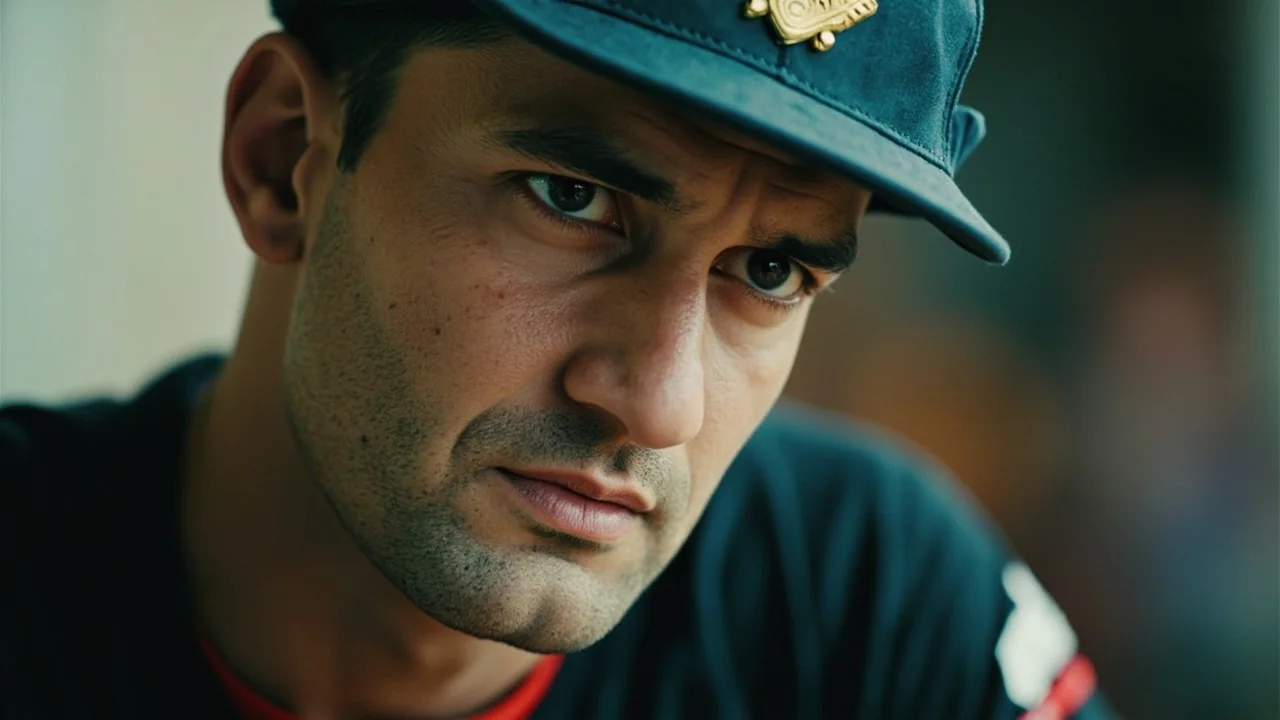
Devdutt Padikkal finished the first Test against Sri Lanka in Galle with a maiden Test hundred on his bat, and a former India batter sitting in a Doordarshan studio was asked how a player who built his cricket in the IPL just did that. Sanjay Manjrekar's answer, recorded for The Great Indian Cricket Show on the public broadcaster, was that he cannot explain it. The remark was made while the same squad was actually playing a two-Test series in Sri Lanka, and the Padikkal innings was the most recent live data point.
Manjrekar framed the question as a personal one. He has played both formats for India, he has commentated on both, and he said the current players are doing things he would have called "very difficult" a few years ago. The setting of the remark matters. The series was live, the Padikkal innings was still fresh in the studio conversation, and Manjrekar was answering a question he had been asked on air. The Padikkal hundred, the studio quote and the Doordarshan slot all sit inside the same news cycle.
What Manjrekar actually said on the show
The Doordarshan quote is short and direct, and Rediff carried it in full. "Modern pop singers, if they are asked to do classical singing, ragas, then it will be very difficult. But these people are doing that. It is a mystery to me that the generation of IPL, the generation of T20, how do they play such good Test cricket? In both game of ball and game of gain," Manjrekar said on The Great Indian Cricket Show. The comparison is outside cricket on purpose: he was reaching for a familiar example of a different kind of skill to underline the size of the jump. The Indian classical raga and the modern pop song are not the same craft, and asking a pop singer to sing one is, in his framing, a serious ask. The IPL cohort, he said, has been making that ask look easy.
He then narrowed the point to the part of the game where the format gap is widest. "More in case of batting, because there is a lot of difference between T20 batting and Test batting," he added, in the same studio turn. The sentence does a lot of work. T20 batting is built on strike rate, risk selection, target score and clear hitting zones. Test batting is built on leaving the ball, on batting through sessions, on handling fifth-day spin with bat-pad awareness. Asking the same player to hold both crafts in the same head is what Manjrekar is saying he cannot explain.
Padikkal in Galle as the live example

The Manjrekar remark reads as abstract until you put a name on it. Padikkal's Galle hundred is the simplest available proof of the format jump, and it is the kind of innings the broadcaster was talking about without naming it. Padikkal was bought and developed in the IPL. His franchise record is built on timing, on 360-degree stroke range, on the kind of inside-out cover drive that travels in any format. In Galle, against a Sri Lankan attack playing on a fourth-day turner, he produced a maiden Test hundred that used the same base skill set.
The point is not that Padikkal's hundred was easy, or that it came on a flat track. Galle in August is a square turner by day four, and the Sri Lankan spinners were asking genuine questions of the Indian batting. Padikkal answered them with the same bat speed and the same ball-striking clarity that get him runs in the IPL, applied to a longer innings in a different country. The conversion is exactly the kind of result Manjrekar was talking about. The same player, doing what would normally be "very difficult", and not making it look that way.
Why batting is the hardest format switch
The Manjrekar quote is specific on which part of the format gap is widest. He did not say the gap is uniform across bowling, fielding or captaincy. He picked batting, and the technical reasoning sits inside his point. T20 batting is a scoring problem. Test batting is a wicket-preservation problem first and a scoring problem second. The young Indian batters now sitting on Test hundreds have spent their formative cricket in T20 franchise systems, where a 30-ball fifty is worth more than a 100-ball fifty and where the team score rarely crosses 200. Asking them to also bat 200 balls for a hundred in Galle, on a turning track, with the new ball still hard at one end and spin at the other, is the specific "very difficult" ask he was naming.
The bowlers, by contrast, have an easier format translation. A yorker is a yorker in both formats. A bouncer is a bouncer. A spinner who can bowl a tight off-break line in the IPL powerplay is bowling the same line in a Test middle session. The format gap for bowlers is about workload and patience, not about a different skill. For batters, the gap is about which scoring problem they are solving in a given hour. Manjrekar's choice of batting as the widest gap is, on this read, the technical pick, not the headline pick.
Where the India Test squad came from
- Devdutt Padikkal (Karnataka, Royal Challengers Bengaluru): IPL graduate with a maiden Test hundred in Galle in August 2026.
- Top-order batters: several squad members came through T20I selection before Test selection, the reverse of the older career path.
- All-rounders: T20 finishing acts are now being asked to deliver long-format spells in away conditions.
- Spinners: Powerplay instincts were first sharpened in T20 league cricket, not in five-day domestic cricket.
Sri Lanka as the live benchmark
The series Manjrekar was speaking into is the same series that produced the Padikkal hundred. Galle hosted the first Test, Colombo hosts the second between 23 and 27 August. The squad was picked with the WTC 2025-27 cycle in mind, and the cycle is the first multi-format one in which the IPL cohort has to carry a full away red-ball workload. Every innings in the series is a data point on whether the format switch is a sustainable skill or a phase that fades.
The squad composition underlines the size of the question. Several batters in the XI came through the IPL and T20I route, and a few have fewer than ten Test caps. The opening slot in particular has been a selector conversation since the WTC final, with the franchise form of one or two batters being weighed against their overseas red-ball record. Manjrekar's quote lands inside that conversation. The IPL form is real, the Test hundreds are real, and the broadcaster is publicly saying the connection between them is something he cannot explain. The series in Sri Lanka is the place where that connection is being tested, ball by ball, over five days at a time.
The selector and tactical room behind the switch
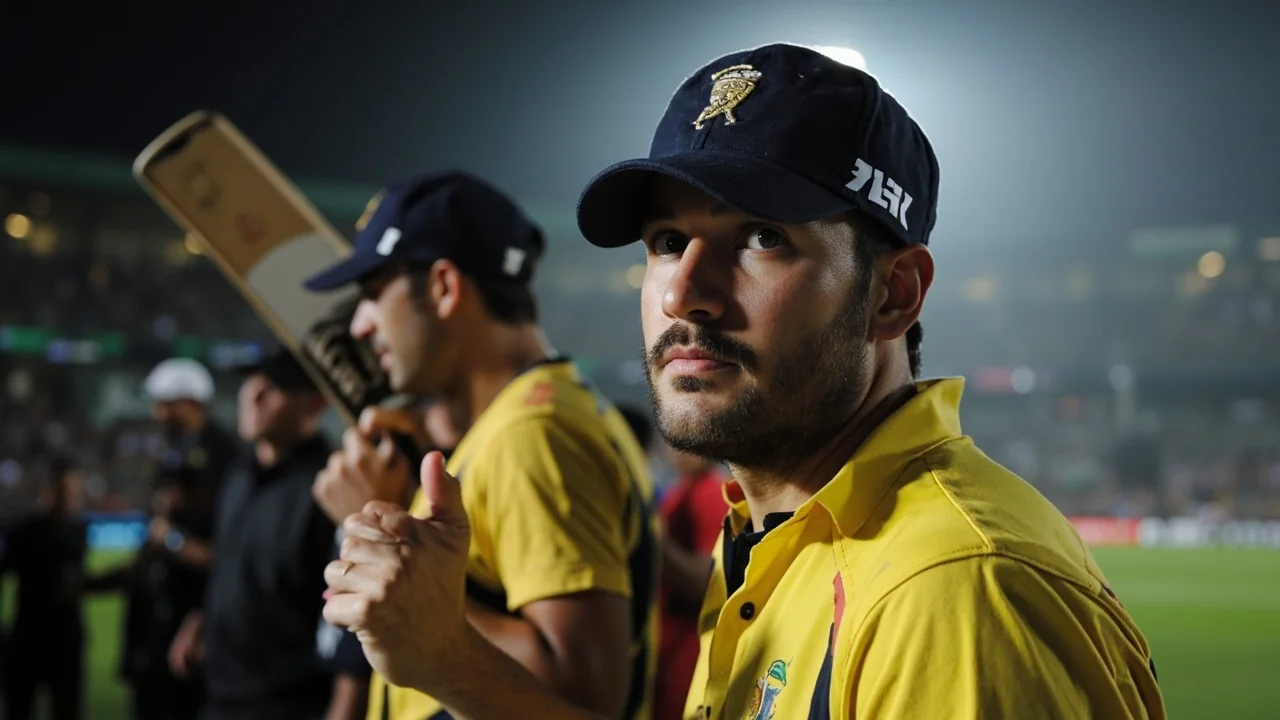
Underneath the broadcaster quote is a structural point that the Indian team management has been making quietly for two years. The selection committee and the coaching staff have invested in younger players who came through the T20I and IPL pipeline, and the Test batting coach is now working on the same players in the same calendar as the white-ball coach. The training load, the video load and the throw-down load are split across formats in a way the previous Indian Test setup did not have to manage. The WTC 2025-27 cycle is the first one in which that split is being asked to deliver a result overseas.
The Padikkal hundred in Galle, and the broader pattern of T20 cohort Test hundreds, is therefore not a coincidence. It is the output of a multi-format setup that has been built deliberately around the cohort Manjrekar is talking about. The broadcaster is calling the result surprising. The Indian support staff would say the result is the output of a planned pipeline. Both readings are accurate. The Doordarshan quote captures the surprise. The Test-match tactical room captures the planning.
What Manjrekar is not saying
The quote is easy to misread. Manjrekar is not arguing that T20 cricket has improved Test batting. He is saying the opposite. He is naming the size of the format swing the current cohort has been asked to absorb, and the surprise he feels watching the same players do both jobs. The Padikkal hundred, the spinners who learned in T20 powerplays, and the all-rounders whose finishing acts now have to extend into 30 and 40-ball Test stands are not evidence that T20 prepares you for Tests. They are evidence that the players have built a base good enough to handle two formats that, on Manjrekar's own reading, are doing different jobs.
He is also not arguing the switch is free of cost. The away Test record of the last 18 months has had its flat patches, including collapses in South Africa and a Lord's surrender in 2025 that selectors are still working through. The point of the quote is to name the size of the swing. The series in Sri Lanka is the place where the swing is being tested in conditions that suit neither format cleanly. Colombo from 23 to 27 August will tell selectors and broadcasters how durable the format switch really is.
What the second Test will measure
The Doordarshan studio where Manjrekar made the remark is one broadcast slot away from the same Test his squad is playing. The Galle innings is the first reading. The Colombo innings from 23 August is the second reading on the same question. If the IPL-cohort batters put together a second competitive innings on a different surface, the broadcaster's question turns into a confirmed pattern. If they do not, the conversation about the T20-to-Test bridge widens from a studio analogy into a selector question, and the WTC planning for the next overseas block starts to shift.
The Padikkal hundred is the data point Manjrekar was working from without naming. The Padikkal method, on a Galle turner, in a Test that India had to win, with the format jump happening in real time, is the working answer to his question. The Colombo Test will say whether that answer holds on a different surface. Player-by-player form notes on the squad, including the Padikkal reading, are tracked on the Namma11 IPL Players desk through the duration of the series.