- Opening day at Sabina Park: why this ODI mattered
- Verified squads and probable XIs on 3 June 2026
- Sabina Park pitch read: 250-265 the par benchmark
- ICC ODI ranking stakes and the 2027 World Cup shadow
- Dream11 captain and vice-captain logic at Sabina
- Role buckets instead of star chasing
- Avoid list: Rathnayake, Campbell and the trap names
- Hasaranga matchup edge and the spin narrative
- Three build patterns for the Sabina script
- Frequently asked questions about this fixture
Verified sources: The fixtures, squads, captains and Sabina Park reading below are drawn from the CricTracker 3 June 2026 ODI preview by Bhupender Sharma, which carried the standard CricTracker disclaimer limiting its advice to free fantasy contests and noted compliance with the Indian Government's Gaming Regulation Bill, 2025. Squads, captains and venue data are reproduced as published facts.
Opening day at Sabina Park: why this ODI mattered
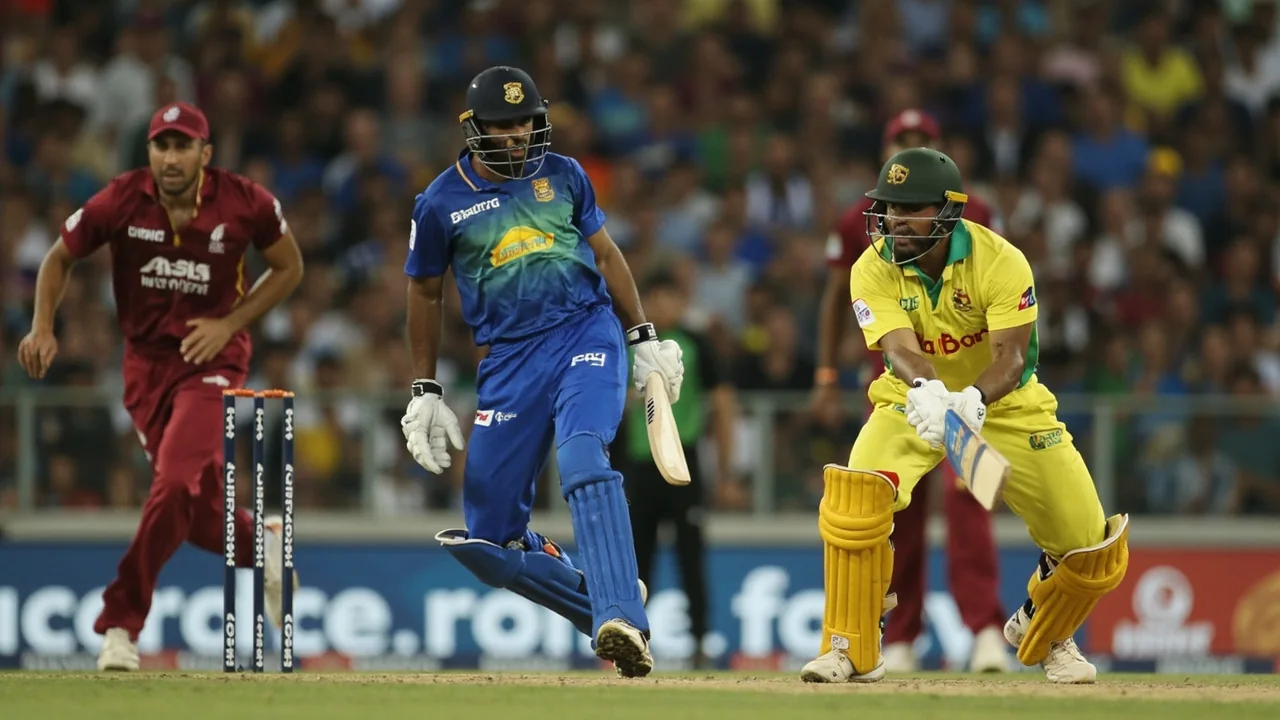
West Indies opened the Sri Lanka tour of West Indies 2026 with an ODI at Sabina Park, Kingston on Wednesday, 3 June 2026. The 8:00 PM IST start placed the match in Fancode's broadcast window for Indian viewers, and it gave fantasy users their first multi-match look at two sides with sharply different 2026 storylines.
For West Indies, the fixture sat inside a ranking climb that mattered more than any individual bilateral result. Sri Lanka arrived ranked 6th in the ICC ODI table and looking to consolidate after a 1-2 home defeat to England. West Indies sat 10th, having missed the previous ODI World Cup and the Champions Trophy, and were chasing the climb back into the top eight needed for automatic 2027 World Cup qualification.
That context turned a routine opener into a stress test of role depth. West Indies needed a performance that proved their pace pair and middle order could absorb pressure on a flat Caribbean surface. Sri Lanka needed the same match to confirm that their batting core and Hasaranga-led spin engine could travel away from home on a square where bounce is true and the boundary size is short at one end.
Verified squads and probable XIs on 3 June 2026
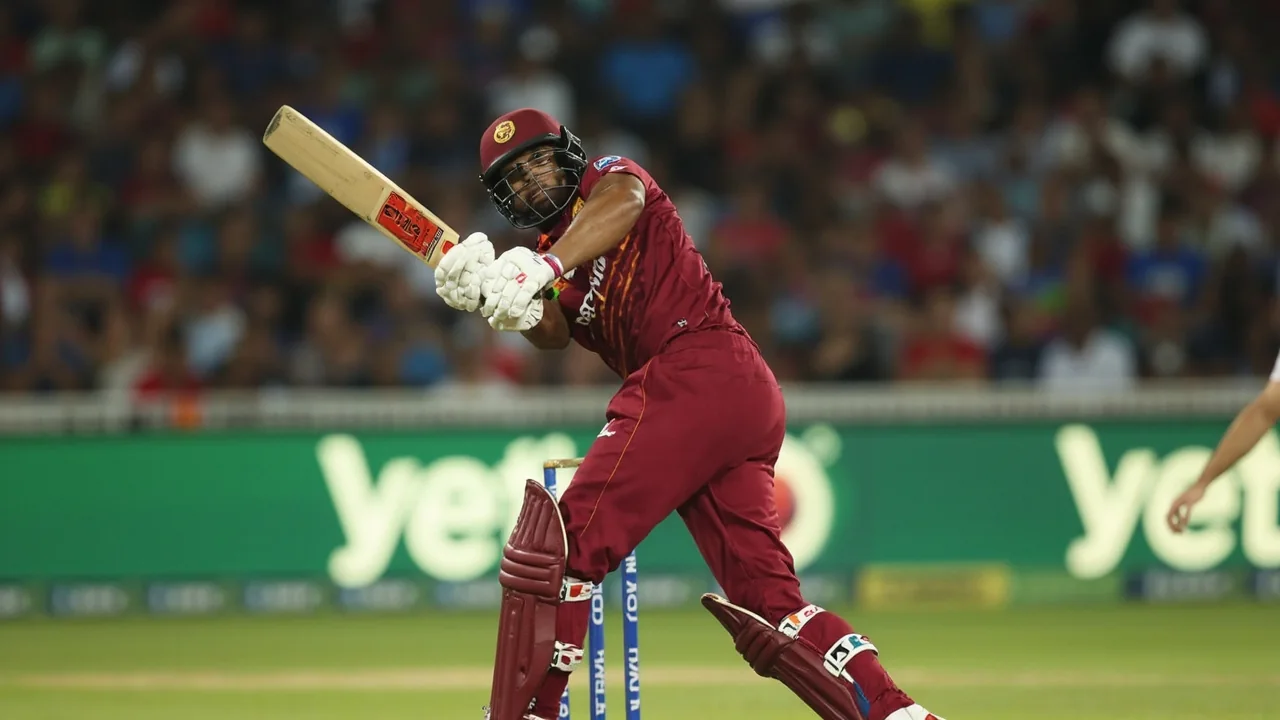
West Indies were led by Shai Hope, with Alzarri Joseph and Shamar Joseph named as the pace spearheads. The probable XI printed on match day had Shai Hope behind the stumps and at the top of the order, alongside Ackeem Auguste, Keacy Carty, Shimron Hetmyer, Sherfane Rutherford, JP Greaves and Roston Chase in the batting group, with Matthew Forde, Alzarri Joseph, Shamar Joseph and G Moti-Kanhai completing the attack.
Sri Lanka were captained by Kusal Mendis, with Pathum Nissanka as the senior opener and PHKD Mendis, Kamil Mishara, J Liyanage, C Asalanka and Wanindu Hasaranga forming the middle order. Maheesh Theekshana, Eshan Malinga, AM Fernando and D Chameera made up the bowling unit. Hasaranga's role as the spin-led all-round anchor was the single most important fantasy note on the visiting card.
Both XIs pointed to the same fantasy lesson. Selection on a flat ODI track is about roles, not reputations. West Indies carried two left-arm pace options in Joseph and Forde and an extra batter in Rutherford, signalling an intent to bat deep. Sri Lanka carried two wrist spinners and three frontline seamers, signalling an intent to control the middle overs.
Sabina Park pitch read: 250-265 the par benchmark
Sabina Park behaves like a classical Caribbean ODI surface: firm, true bounce, short square boundaries at one end and longer ones at the other. The CricTracker preview used a benchmark that any fantasy selection logic should respect — 250-265 was the above-par mark, with the historical ODI average sitting near 225 and the pitch ratings evenly split between batting and bowling.
On a surface like this, the batting-side first-innings question matters more than usual. A score in the 250s puts a chasing side under scoreboard pressure because the bounce stays true into the 40th over. A score in the 220s is catchable but the chase usually needs one substantial partnership from the visiting top order.
For fantasy users, the surface reading tilts the value pool toward batters who score on the leg side and bowlers who can hit the hard length. The Alzarri Joseph and Shamar Joseph combination on a firm track has historic bite, and Hasaranga's four-over middle-overs spell on a true surface is a wicket-taking environment when the ball grips. Treat the venue benchmark as the spine of every captain and vice-captain decision.
ICC ODI ranking stakes and the 2027 World Cup shadow
The ICC ODI rankings sat at the centre of this series for West Indies. Sitting 10th, they needed to climb into the top eight for automatic 2027 World Cup qualification. The previous ODI World Cup and Champions Trophy had already passed them by, so every home bilateral carried the weight of a qualification audition.
Sri Lanka, ranked 6th and coming off a 1-2 home series defeat to England, did not face the same acute pressure. Their concern was consolidation: protect the ranking they had and keep their batting core sharp ahead of the next big away tour. The contrast in pressure shaped selection on both sides.
For fantasy users, ranking context is useful only as a tie-breaker between two near-identical picks. A West Indies top-order batter gets a small ownership boost because his team needs him to deliver; a Sri Lanka all-rounder gets a small ceiling boost because his team will back his spell even on a flat track. The numbers do not flip the captaincy call, but they do sharpen the differential list.
Dream11 captain and vice-captain logic at Sabina
Shai Hope, with more than 6,100 ODI runs at an average around 50, was the captaincy anchor on the match preview. The logic is straightforward: top-order role security on a flat surface where 250-265 is the par benchmark, wicketkeeping duties that add a second route to points, and a side that needed him to convert the powerplay into a foundation.
Wanindu Hasaranga was the vice-captain swing pick. His record against West Indies at the time of the preview included 11 wickets in 9 ODIs at an economy of 4.25, with more than 1,000 ODI runs and 112 ODI wickets in his overall ODI career. On a true-bounce Sabina track, his leg-spin should grip, and his batting slot in the Sri Lanka middle order gives him a second fantasy route when the top order fires.
The pairing works because the two captains cover opposite scripts. If West Indies bat first and post 260-plus, Hope's run ceiling is large. If Sri Lanka's spinners squeeze the middle overs, Hasaranga's wicket and economy points land on top. A fantasy lineup that picked both carried independent paths to a high score.
Role buckets instead of star chasing
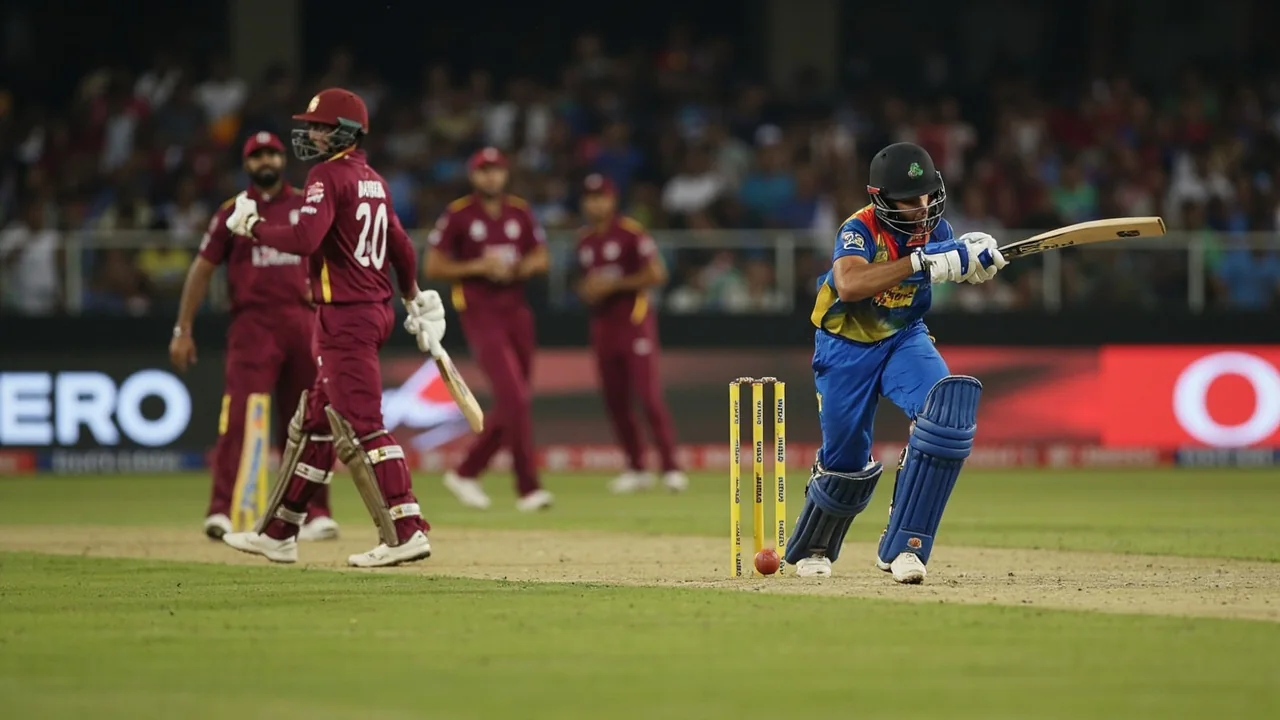
The fixture is a useful case study in why role buckets beat star chasing on a flat track. The probable West Indies XI stacked two left-arm pace options, an extra batter in Rutherford and a part-time spin option in Roston Chase. That structure raised the value of every West Indies pacer with a confirmed new-ball or death phase, and it depressed the value of any West Indies batter whose role was a finishing cameo at number seven or eight.
Sri Lanka's XI did the same on the other side. With Hasaranga and Theekshana in the same XI, two wrist-spin overs overlapped in the middle phase. That overlap pushed the captain towards picking only one specialist spinner in fantasy lineups and using the budget on a fourth seamer or an extra batter. Role conflict at the team level changes selection value at the fantasy level.
The practical rule is to write down each side's role buckets before picking a Dream11 team: opening batters, top-order wicketkeeper-batter, middle-over wicket-taker, powerplay seamer, death-overs seamer, batting all-rounder. Then assign each probable XI to those buckets and pick the player with the clearest two-phase job. This is the difference between a lineup that survives a flat-track collapse and one that does not.
Avoid list: Rathnayake, Campbell and the trap names
The CricTracker preview flagged two names to keep off the lineup. Milan Rathnayake, on the Sri Lanka side, was a thin-involvement pick whose batting slot sat low and whose bowling quota was unlikely to be secure on a flat track. John Campbell, listed outside the published probable XI structure, was a name whose reputation ran ahead of his confirmed role.
The avoid list is more than a couple of names. On a Sabina Park surface where the par benchmark is 250-265, every fantasy pick without a confirmed batting slot above number eight or a confirmed bowling phase becomes a leak. A player who bowls only when the captain needs variety or bats only in a late cameo can still post a good game, but his expected value over a 50-entry contest is poor.
The other name to watch on the day was Roston Chase, whose role as the West Indies part-time spinner was real but secondary. Fantasy lineups that locked Chase as a frontline bowler on a flat track were gambling on a part-time role becoming a full quota. That is a different bet from picking him as a batting all-rounder, and the two bets should not be mixed in the same lineup.
Hasaranga matchup edge and the spin narrative
Hasaranga's 11 wickets in 9 ODIs against West Indies at an economy of 4.25 is the kind of matchup edge fantasy users should respect. The West Indies middle order over the past two years has shown a tendency to attack spin in the middle overs rather than rotate, and Hasaranga's googly and wrong'un combination punishes that approach when the bounce is true.
The narrative for Sri Lanka on tour is the spin axis. With Theekshana supporting at the other end, Sri Lanka could deploy two wrist-spin options in the same middle phase, forcing the West Indies batters to choose between attack and rotation. That choice usually favours the bowler when the pitch offers even a small grip.
The flip side is that Sabina Park is not always a spin paradise. On a flat day with little grip, even Hasaranga's record can flatten out. The fantasy call is to respect the long-run edge, not to assume it lands every game. If the match-day pitch shows visible grass or early moisture, the Joseph brothers' new-ball value rises and Hasaranga's edge compresses.
Three build patterns for the Sabina script
Build A — Hope leads, Sri Lanka depth supports: pick Hope as captain, a West Indies new-ball pacer as vice-captain, and the Sri Lanka top-order with Hasaranga as a non-captain differential. This build suits a West Indies win on a true surface where Hope's run ceiling compounds.
Build B — Hasaranga leads, Joseph brothers hedge: make Hasaranga captain, take both Joseph brothers in the lineup, and reduce the Sri Lanka top-order exposure. This build suits a Sri Lanka squeeze where 250-265 is never reached and Hasaranga's middle-overs spell defines the scoreboard.
Build C — all-rounder hedge: captain one of the West Indies all-rounders and vice-captain Hasaranga. This build suits a balanced script where both batters and bowlers fire. It sacrifices ceiling for variance reduction across both phases of the match.
Pick only a small number of lineups, set a contest budget before the match starts, and delete any team that the official XI breaks. A retrospective preview is still useful only as a planning framework. The fantasy work happens after the toss. Readers comparing this Caribbean ODI with other recent international previews can revisit the wider Namma11 predictions archive for parallel venue and role reads.