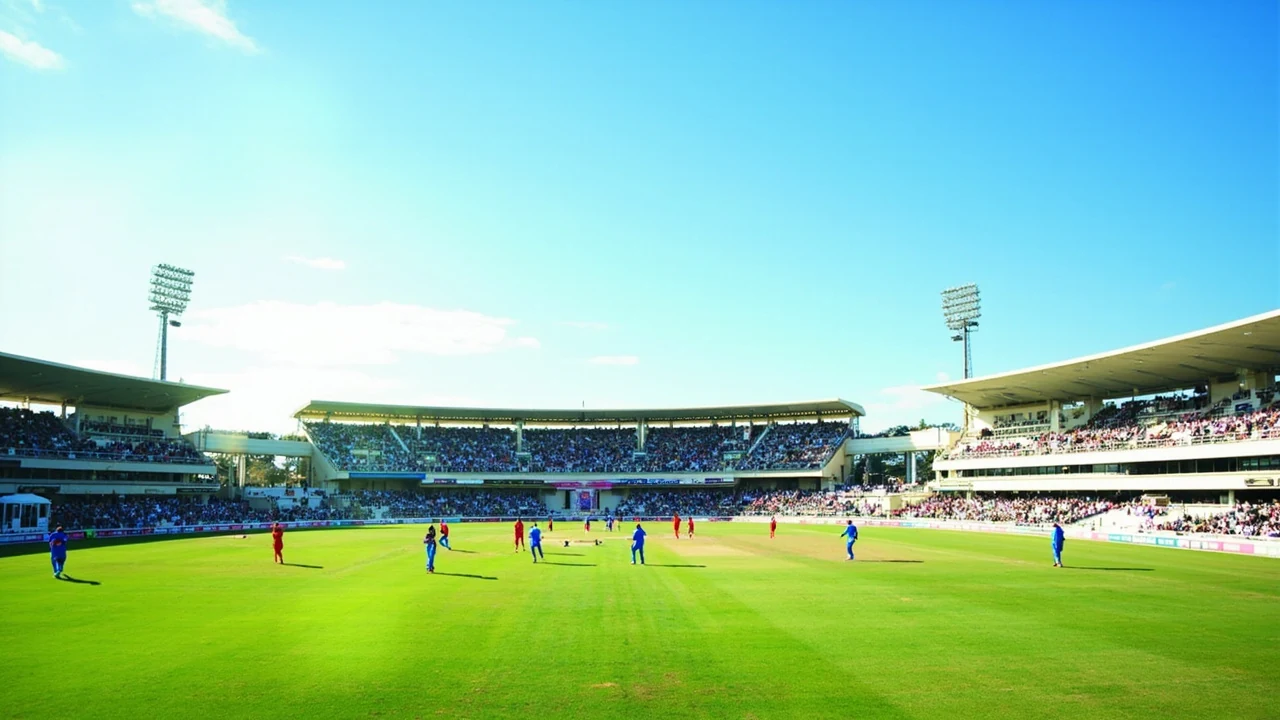
- Zimbabwe vs India 1st T20I: verified match details
- Harare Sports Club pitch report and what the numbers mean
- Toss prediction: do not copy the night-match dew script
- Probable XI approach: select role buckets, not imaginary names
- Captain and vice-captain matrix for small and mega contests
- Powerplay, middle-over and death-over matchups
- Three Namma11 team builds for different match scripts
- Final 30-minute checklist before the 4:30 PM IST start
- Frequently asked questions
Verified sources: Cricbuzz match information for date and time; Harare venue guide for historical T20 figures; and the series squad page for announcement status. All were checked on 20 July 2026. Also review the Namma11 fantasy cricket guide before building teams.
Zimbabwe vs India 1st T20I: verified match details
India begin a three-match T20I visit to Zimbabwe at Harare Sports Club on Thursday, 23 July 2026. The match information page lists a 1:00 PM local start, which is 11:00 AM GMT and 4:30 PM IST. The same schedule places the second and third T20Is at Harare on 25 and 26 July. That tight four-day series rewards simple fantasy logic: secure roles, durable players and skills that transfer even when teams rotate.
This is an actual upcoming fixture, not a retrospective dressed up as a preview. It is also different from Namma11’s 18 July India-Australia article: the opponent, venue, climate, start time and selection problem have all changed. India enter as the deeper side on paper, but a 20-over match at Zimbabwe’s home ground keeps the upset path open. The forecast below is therefore a lean, not certainty.
The most important pre-lock facts are still unknown: final XIs, batting order, bowling allocations and the match-day pitch. Cricbuzz’s squad page showed an India squad entry at publication time but did not display two complete player lists in the public page. We will not invent names to make the preview look more precise than the available evidence.
Harare Sports Club pitch report and what the numbers mean
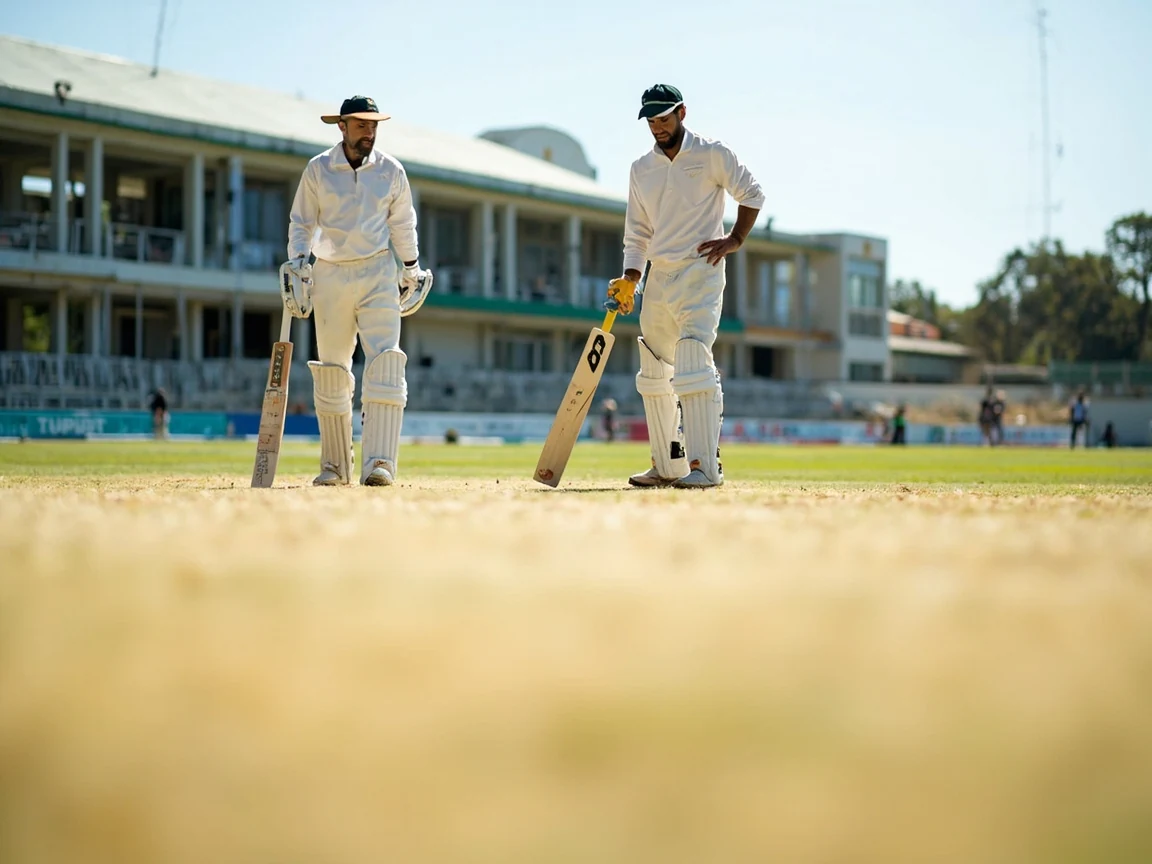
The Harare Sports Club venue guide lists 83 recorded T20s, with teams batting first winning 45 and teams bowling first winning 36. It also lists an average first-innings score of 155 and an average second-innings score of 133. Those numbers suggest that runs can become harder to manufacture after the surface slows, and they are a warning against automatically assuming that every modern T20 is a 190-run contest.
Historical venue data need careful interpretation. The sample combines different competitions, team strengths and pitch preparations. The listed highest total is 259/5, while the highest successful chase is 194/5, so Harare clearly can support high-scoring cricket. The useful conclusion is not “155 will win”; it is that the batting-first side has had a mild historical edge and that a score in the mid-160s can be meaningful when the wicket grips.
On the live broadcast, look for grass cover, visible cracks, carry to the wicketkeeper and how the ball behaves in the first two overs. Clean carry and a hard surface improve top-order batting and hit-the-deck pace. A dry, pale or used strip makes cutters, wrist spin and bowlers who attack the stumps more relevant. Let that evidence overrule a generic venue label.
Toss prediction: do not copy the night-match dew script
The listed start is 1:00 PM local time, so this is an afternoon match. That matters because the common fantasy shortcut — pick the chasing side because heavy night dew will neutralise spin — is not automatically valid. In July, Harare can offer dry winter conditions, and the first-hour surface may matter more than late-evening moisture. Weather and the curator report must be checked on match day.
If the pitch appears dry, the safer tactical lean is to bat first and create scoreboard pressure. The historical T20 split at the venue supports that option, although only mildly. If there is fresh grass, cloud or obvious early moisture, bowling first becomes more attractive because new-ball movement can produce powerplay wickets before conditions settle.
For Namma11 lineups, the toss should trigger a small adjustment rather than a total rebuild. Raise top-three batters from the team batting first on a dry strip. Raise powerplay seamers when the captain bowls first on a lively strip. Preserve players with two routes to points — genuine all-rounders, keeper-batters in the top order and bowlers with both powerplay and death involvement.
Probable XI approach: select role buckets, not imaginary names
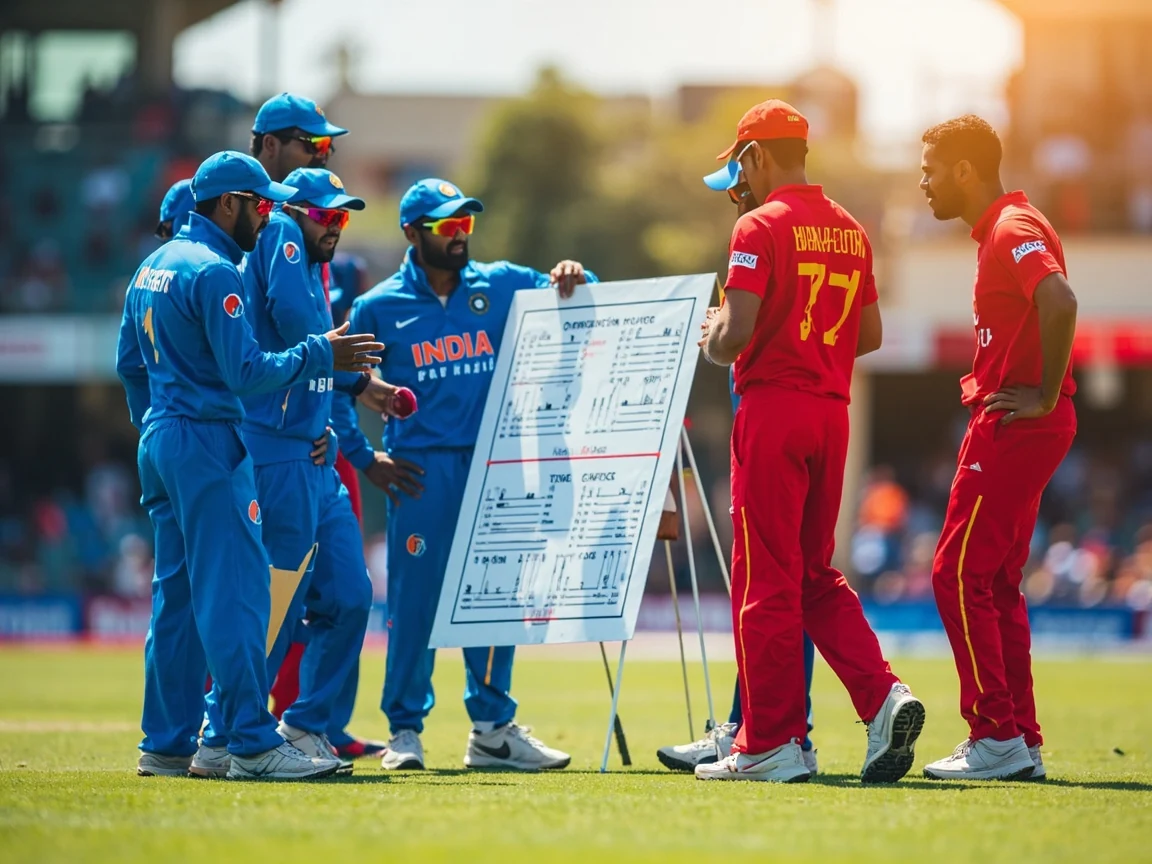
A responsible probable-XI section should admit what is not confirmed. Build an India role board with two top-order batters, one wicketkeeper whose batting slot is in the top six, at least one batting all-rounder, one middle-over wicket-taker and two bowlers expected to work in the powerplay or death. Build the Zimbabwe side around its confirmed top-order roles, all-round involvement and home bowlers with evidence of new-ball or end-overs use.
Do not confuse squad inclusion with role security. A recognised player can still bat at seven, bowl only one over or be rested during a short tour. Conversely, a lower-profile home player can be a high-value fantasy selection if he opens, keeps wicket or bowls four overs. The official XI and batting card from Zimbabwe’s immediately preceding series should be treated as better signals than reputation alone.
Once the toss is announced, delete every non-starter first. Then check batting slots, keeping duties and likely bowling phases. If two players are close, prefer the one with more independent opportunities: four overs plus late-order batting beats a pure finisher; opening plus keeping beats a lower-order keeper; powerplay plus death beats a bowler used only in the middle.
Captain and vice-captain matrix for small and mega contests
For a small league, captaincy should prioritise opportunity floor. The cleanest profile is a genuine all-rounder who is likely to bowl most of the quota and bat in the top six. The next safest profile is an opener with strong role security on the side expected to score more runs. Use the vice-captain on a complementary role, such as a new-ball-and-death bowler or a keeper-opener.
For a large contest, do not become contrarian for its own sake. A useful differential captain still needs a realistic route to a ceiling: an opening batter facing the weaker new-ball pair, a spinner on a visibly dry strip, or an all-rounder whose batting position has improved. Low selection percentage without a secure job is not leverage; it is usually just risk.
The final matrix is straightforward. Flat surface: top-order batter over specialist bowler. Dry surface: bowling all-rounder or strike spinner moves up. Fresh green surface: powerplay seamer becomes vice-captain material. Shortened match: top-three batters and new-ball bowlers gain relative value because lower-order and late-overs opportunities can disappear.
Powerplay, middle-over and death-over matchups
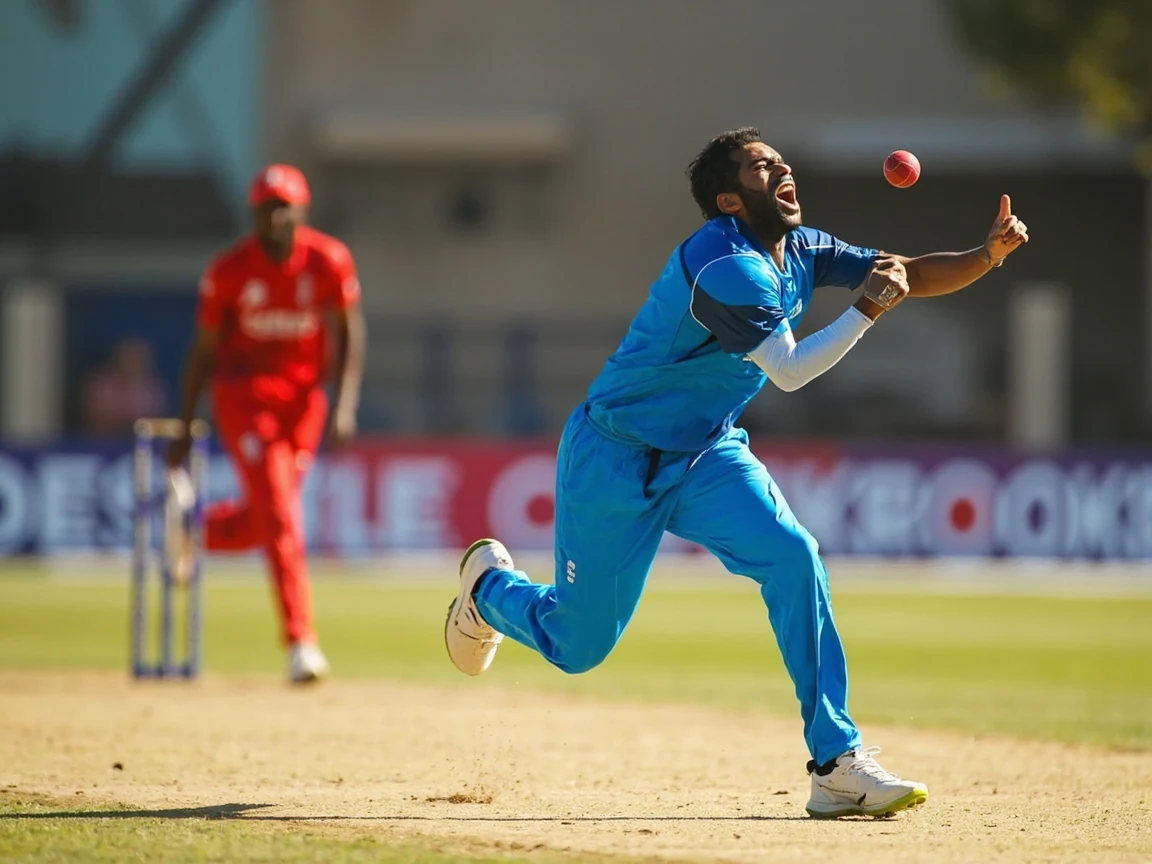
The powerplay is Zimbabwe’s clearest route to unsettling a deeper Indian batting group. A home seamer who swings the new ball and attacks the stumps can score before India’s depth takes control. From India’s side, early wickets prevent Zimbabwe from using the home surface and force rebuilding against spin. That makes confirmed opening bowlers more valuable than a generic “best bowler” label.
Middle-over selection depends on handedness and surface. If Zimbabwe stack right-handers, a left-arm orthodox spinner or leg-spinner with a full quota can attack the larger boundary. If India use multiple left-hand batters, Zimbabwe’s off-spin or angle-across options gain tactical relevance. Matchup value exists only when the bowler is actually likely to complete three or four overs.
At the death, yorkers, slower balls and wide-line plans generate wickets even on a good batting pitch. Prefer bowlers with a documented end-overs job after the XI is named. A bowler used in overs two and eighteen has more fantasy routes than one whose entire spell depends on the captain finding a favourable middle-over matchup.
Three Namma11 team builds for different match scripts
Build A — India control: use the maximum sensible share of India’s top-order and multi-skill core, but retain Zimbabwe’s most secure top-order batter and highest-involvement bowler. This build suits a normal surface where India’s depth converts into a six-to-eight wicket or comfortable run-margin win.
Build B — Harare squeeze: add one extra spinner or cutter bowler, reduce reliance on middle-order pure batters and captain a player with both batting and bowling opportunity. This build suits a dry pitch where 150-165 is competitive and wickets arrive in clusters through the middle.
Build C — Zimbabwe upset: do not simply stack low-owned players. Identify a plausible mechanism: early Indian wickets, one Zimbabwe top-order anchor batting deep, and home bowlers defending a total. Use two or three home-role players tied to that same script. Correlated picks are more coherent than unrelated punts.
Create only a limited number of lineups and set the contest budget before the match. A prediction should help organise uncertainty, not encourage unlimited entries. If the official XIs destroy the logic behind one build, delete it rather than forcing it to survive.
Final 30-minute checklist before the 4:30 PM IST start

At T-minus 30 minutes, confirm the start time and any weather delay. At the toss, record which side bats first and why the captain made that call. When XIs appear, verify every selected player, the wicketkeeper, the likely openers and each bowler’s phase. Then compare the actual pitch image with this guide’s dry, flat and fresh-surface branches.
At T-minus 10 minutes, choose the captain and vice-captain from the confirmed role matrix. Remove players chosen only because of reputation. Check that the lineup is not overloaded with number-six and number-seven batters. Ensure at least two bowlers have a credible powerplay or death role, and preserve an all-round route to points where the format allows it.
The editorial lean is India to win, with Harare’s surface and Zimbabwe’s new-ball execution determining whether the margin is comfortable or the game becomes tight. For fantasy selection, the highest-confidence call is not a named individual three days early; it is the process: confirmed top-order roles, two-phase bowlers, a cautious 155-165 venue baseline and a toss adjustment built for an afternoon match.